Outdoor plastic products don’t have one universal UV protection answer — the right system depends on whether the product can be black, because the most effective and cheapest UV protection available locks out every other color.
Root Causes
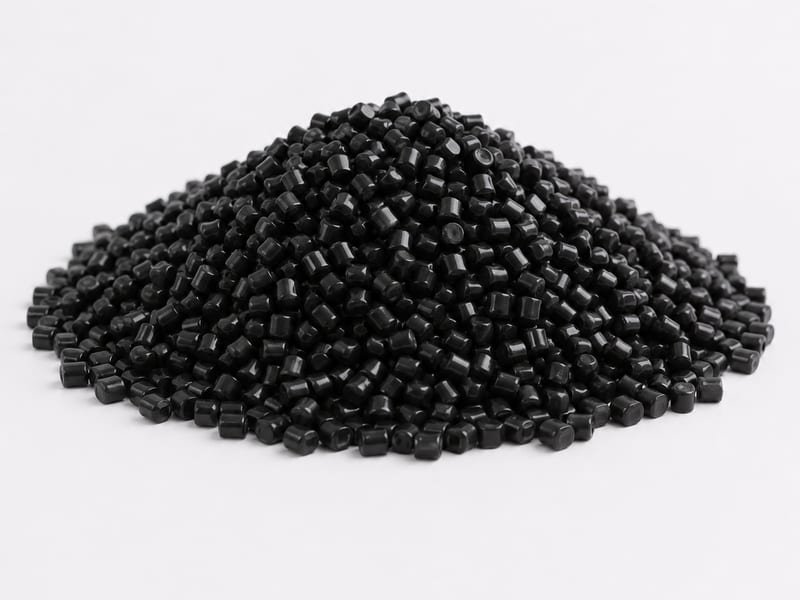
Carbon black is documented as one of the oldest, most cost-effective, and most effective UV stabilization strategies for outdoor plastics, working by physically absorbing and blocking UV radiation before it can reach and break polymer chains — but it does this by making the product black, which rules it out for any application needing a different color or transparency.
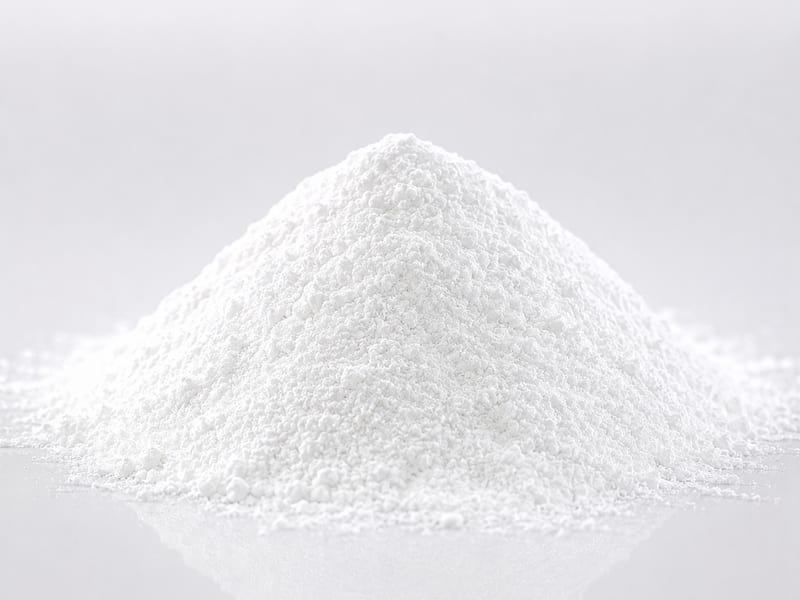
Where black isn’t an option, Hindered Amine Light Stabilizers (HALS) work through a fundamentally different mechanism: they barely absorb UV radiation themselves, and instead scavenge the free radicals that UV exposure generates inside the polymer, interrupting the degradation chain reaction rather than blocking the radiation at the surface. UV absorbers work at a third point in the same chain, protecting the polymer’s surface layer from incoming radiation. Because these three mechanisms act at different points — surface blocking (carbon black), surface absorption (UV absorbers), and bulk radical scavenging (HALS) — combining a UV absorber with HALS is documented as producing a synergistic effect exceeding what either delivers alone, since the two don’t compete for the same protective role. Carbon black and HALS hybrid systems are similarly documented as effective in HDPE. One practical limitation: a typical HALS is not chemically bonded into the polymer, so it can gradually bleed out of the material with long-term outdoor exposure, which is a durability consideration distinct from its initial protective performance.
What This Means for Raw Material Selection
Because the protection mechanisms are complementary rather than interchangeable, the first specification decision isn’t which single additive is “best” — it’s whether the product’s required color rules carbon black in or out, since that determines the entire rest of the stabilization strategy.
The practical points for a buyer are: for black or dark products where full opacity is acceptable, carbon black remains the most cost-effective baseline UV protection and should be the default unless a specific performance gap is documented; for natural or colored products where carbon black isn’t an option, specify a HALS/UV-absorber combination rather than either alone, since the documented synergy between surface-level and bulk-level protection outperforms a single-mechanism approach; and factor HALS bleed-out into long-term outdoor product qualification specifically, testing weathering performance across the product’s actual expected service life rather than relying on short-term accelerated testing alone.
Sources: Safic-Alcan technical guide on UV stabilizers for plastics; ResearchGate-indexed study on carbon black and HALS hybrid systems’ effect on UV stability of HDPE; ScienceDirect research on UV light’s influence on thermal properties of HDPE/carbon black composites; UL Prospector technical guide on protecting polyethylene against UV/sun exposure.