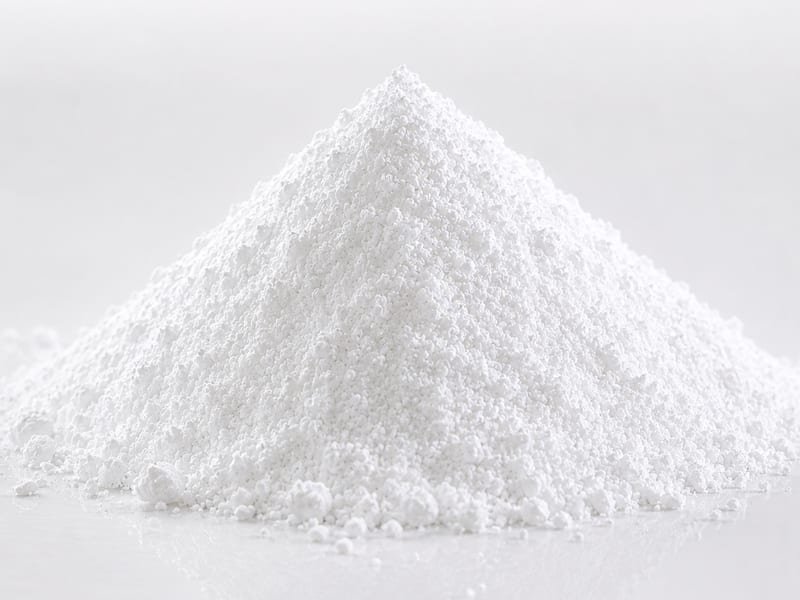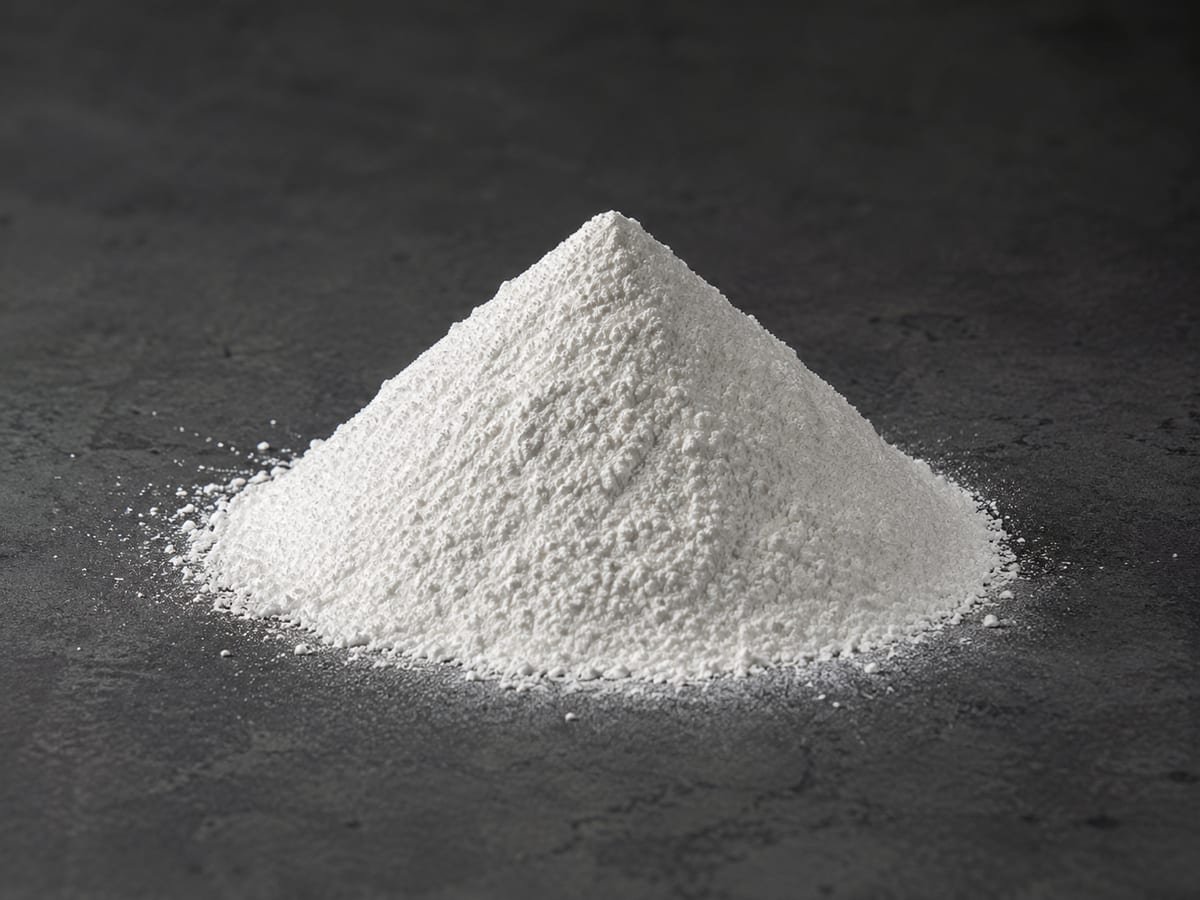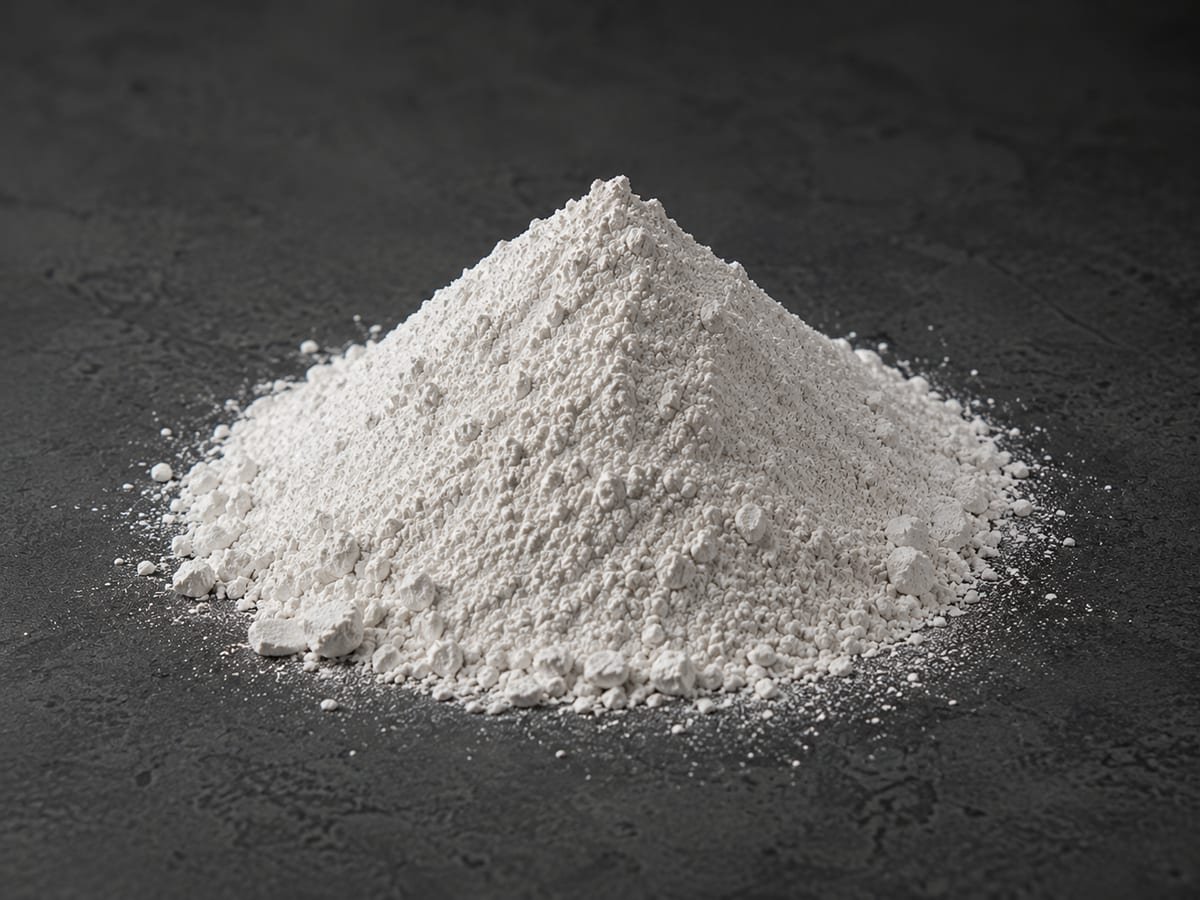
Titanium dioxide is the main white pigment in paints and a key ingredient of white masterbatch, and it is also one of the costliest raw materials in a formulation. Buying it by name and price alone invites avoidable problems: grades differ in crystal form, surface treatment and particle properties. This checklist is written for paint, coatings and plastics buyers in Saudi Arabia and the wider GCC who want to compare suppliers on facts.
This is a buyer’s reference, not a PLAXRAW product specification. The material is described on the titanium dioxide reference page. PLAXRAW does not publish prices or stock on this page; to discuss a requirement use the quotation request form, and any grade, availability and price are confirmed in writing for your enquiry.
Step 1: Fix the application before the grade
- Paints and coatings: durability, opacity and dispersion drive the choice of grade; see choosing a TiO2 grade for paints.
- Plastics and masterbatch: heat stability, dispersibility in the carrier and the end-use environment matter.
- Cost control: partial extension with fillers is a formulation decision, not a purchasing shortcut; see TiO2 loading and extender spacing.
Name the application and the performance you need (opacity, colour, outdoor durability). Quotes without that cannot be compared.
Step 2: Specify the product, not just the name
| Item | What to ask for | Why it matters |
|---|---|---|
| Crystal form | Rutile or anatase, with the producer grade name | Optical and durability behaviour differ between forms. |
| Classification | Type per ASTM D476 or ISO 591-1 where the producer uses them | A shared classification helps compare grades. |
| TiO2 content and surface treatment | TiO2 content and the declared treatment (for example alumina or silica) | Treatment affects dispersion, durability and compatibility with the system. |
| Oil absorption | Oil absorption value and its method (the ISO 787 series covers it) | Influences binder demand and pigment volume concentration. |
| Optical properties | Brightness, tinting strength and colour data with the method | Comparable only under the same method. |
| Regulatory fit | SDS and the regulatory declaration relevant to your market and product | Requirements differ by jurisdiction and end use. |
Step 3: Ask for the documents that prove it
Request the current technical data sheet (TDS) and safety data sheet (SDS) for the exact grade and a certificate of analysis (COA) per shipment where issued. Ask the producer to state the grade classification and surface treatment in writing. Compare a sample from the commercial production route against your control pigment in your own formulation, and judge opacity and colour under your test method, not only the supplier’s.
Step 4: Fix the commercial terms
-
Packaging: 25 kg bags on pallets or bulk bags, and protection from moisture.
-
Quantity and timing: trial quantity, regular volume and delivery window. For why prices move see TiO2 price and supply volatility.
-
Delivery term: state the Incoterms 2020 term you want quoted so offers are comparable.
-
Import requirements: confirm with your customs broker which conformity and customs documents apply to your product in Saudi Arabia or the destination country before shipment.
Compare offers by landed cost per usable unit, including freight and trial cost, not by the ex-works figure alone.
Enquiry template
- Application (paint, coating, plastics, masterbatch) and the performance required.
- Crystal form and surface treatment, or “open to recommendation”.
- Current grade and producer, if any.
- Required documents (TDS, SDS, COA, any declaration).
- Trial quantity and regular volume.
- Packaging, delivery place and Incoterms term.
Send it through the PLAXRAW quotation form. PLAXRAW reviews it and replies with the relevant questions or options; it does not promise stock, specifications or lead times before the details are confirmed.
Related reading
- Choosing a TiO₂ Grade for Paints and Coatings
- TiO2 Loading Optimization and Extender Spacing in Paint
- Titanium Dioxide Price and Supply Volatility
Sources and editorial scope
Prepared by the PLAXRAW editorial team on 15 October 2026. This is editorial buying guidance, not PLAXRAW laboratory data, and it contains no price, stock or lead-time commitment. Standards are named so you can ask a supplier which method applies; consult the current edition of each standard for its scope.
- ASTM D476 — Standard Classification for Dry Pigmentary Titanium Dioxide Products.
- ISO 591-1 — Titanium dioxide pigments for paints: specifications and methods of test.
- TDMA — Titanium Dioxide Manufacturers Association (Cefic Sector Group).
- USGS — Mineral Commodity Summaries, Titanium Minerals.
- ICC — Incoterms 2020.
Content updated: